How to Review a Kelly Sellier: Shape First, Measurements Second
A Kelly Sellier invites close inspection. Its crisp edges, visible exterior stitching and controlled trapezoidal shape make small differences easy to notice—and easy to overinterpret. A measurement can be useful, but a difference of a few millimeters does not explain by itself whether the bag looks coherent, well assembled or convincing in normal use.
A stronger review begins at viewing distance. Read the complete silhouette, then move through the top line, side construction, handle, base and corners. Only after that should a ruler help clarify a specific question. This order keeps the assessment practical and prevents one tiny discrepancy from outweighing everything the eye can see.
Why millimeters are supporting evidence, not the whole verdict
Measurements are most valuable when the conditions are controlled. They can help compare two bags photographed at the same angle, confirm whether a handle seems unusually tall, or document a base that appears unexpectedly narrow. They are less persuasive when the compared images use different lenses, distances, fill levels or orientations.
The issue is not that millimeters are meaningless. The issue is that a bag is a three-dimensional object and a photograph is a projection of it. A phone held close to the front can enlarge the center and push the sides away. A slightly elevated camera can make the top seem shallow. A bag leaning backward can make the handle appear taller, while a full bag can widen the gussets and change the front taper.
Use numbers to test an observation, not to manufacture one. First ask, “What looks out of balance?” Then identify a repeatable measurement that could support or challenge that impression. If the visual concern disappears under a straight, level photograph, the original discrepancy was probably driven at least partly by presentation.
Start with the overall silhouette
The official Hermès Kelly overview describes the Kelly as consistently trapezoidal across its variations. A Sotheby's guide to Sellier and Retourne construction also distinguishes Sellier through visible exterior stitching, sharper corners and a more structured outline. Those are whole-object characteristics. They are best read before isolated components.
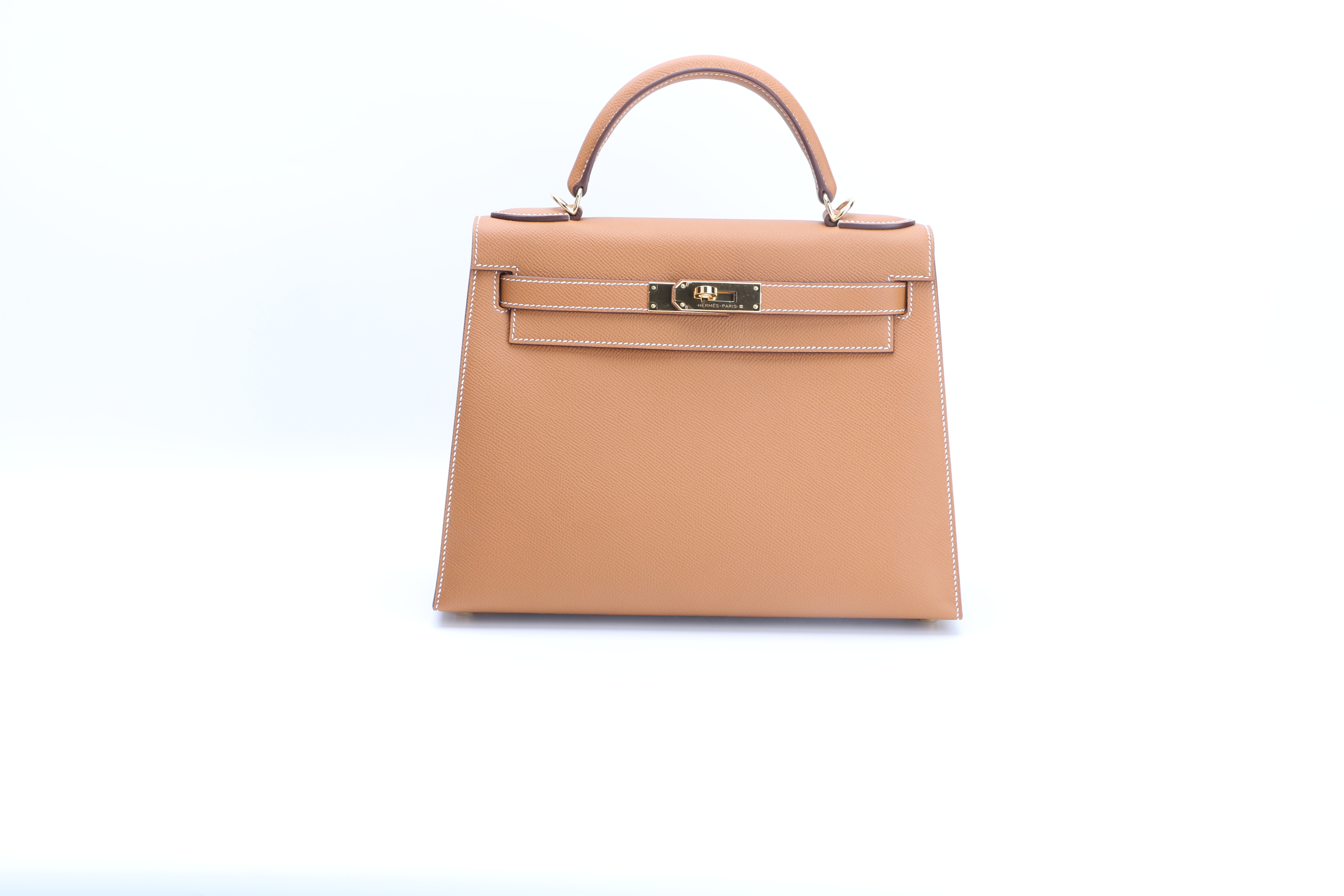
Place the bag on a level surface, close the flap naturally and photograph it straight on from approximately the center height of the bag. Look at five relationships:
- Does the top line read as controlled rather than twisted?
- Do the sides taper in a visually balanced way?
- Does the closure sit near the visual center?
- Do the left and right corners carry similar weight?
- Does the handle feel connected to the body rather than perched above it?
Perfect mirror symmetry is not a realistic standard for a handmade object photographed in ordinary conditions. What matters is coherence. A small local variation can coexist with a balanced silhouette; conversely, individually plausible details can still feel disconnected when the complete bag is viewed together.
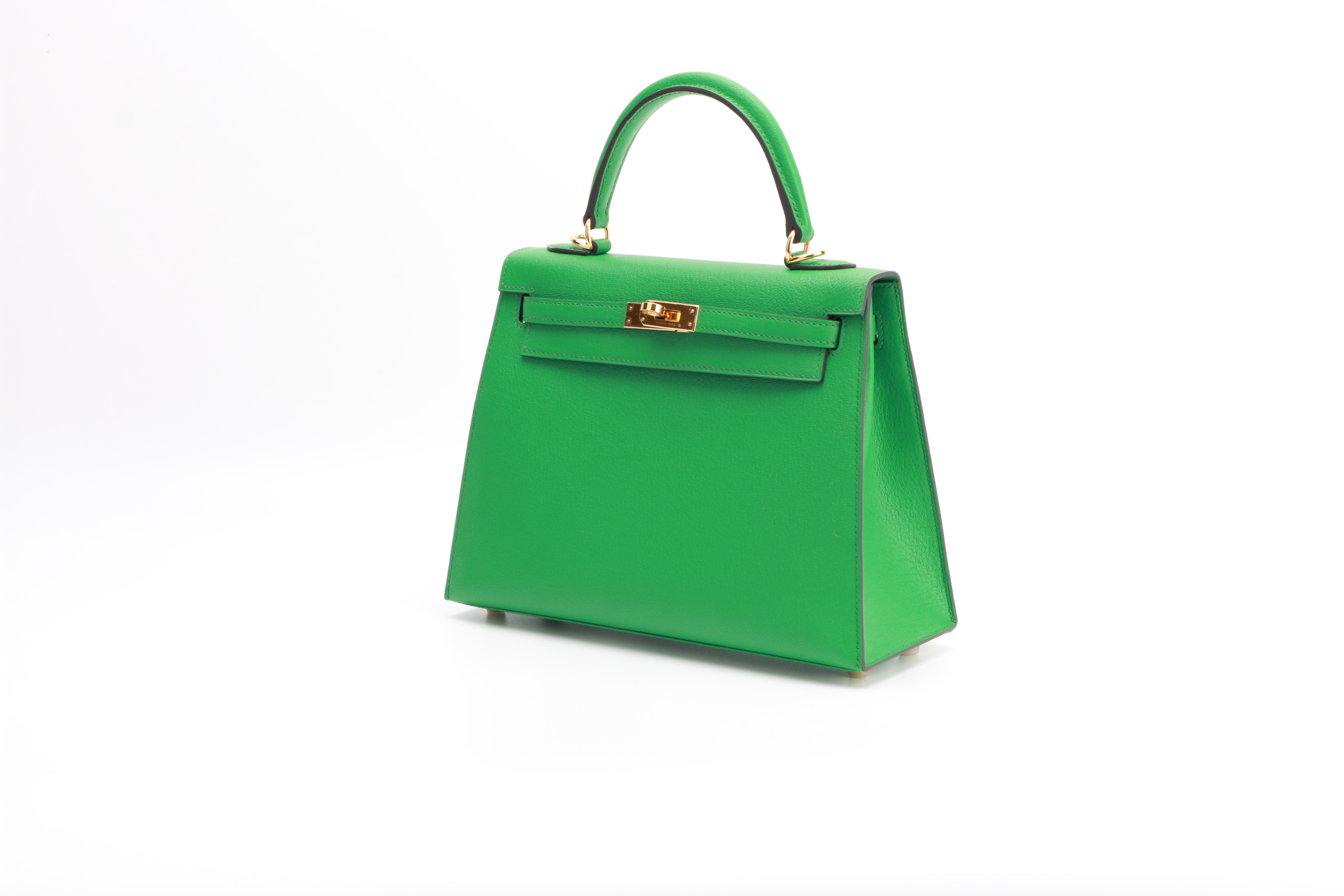
This is also where size context matters. A Kelly 25, 28 and 32 will not create the same relationship between handle, flap, body and depth. The TheCovetedLuxury Kelly collection provides a useful category view, while the currently listed Kelly 25 Epsom Sellier in Bleu Atoll and Kelly 28 Ostrich Sellier in Forest Green show how the same core design reads at different scales and in different materials. These product pages are visual examples, not authentication references. Avoid transferring a measurement from one size to another as though it were universal. Compare like with like, and confirm that the reference itself is photographed without obvious distortion.
Read the side construction as a system
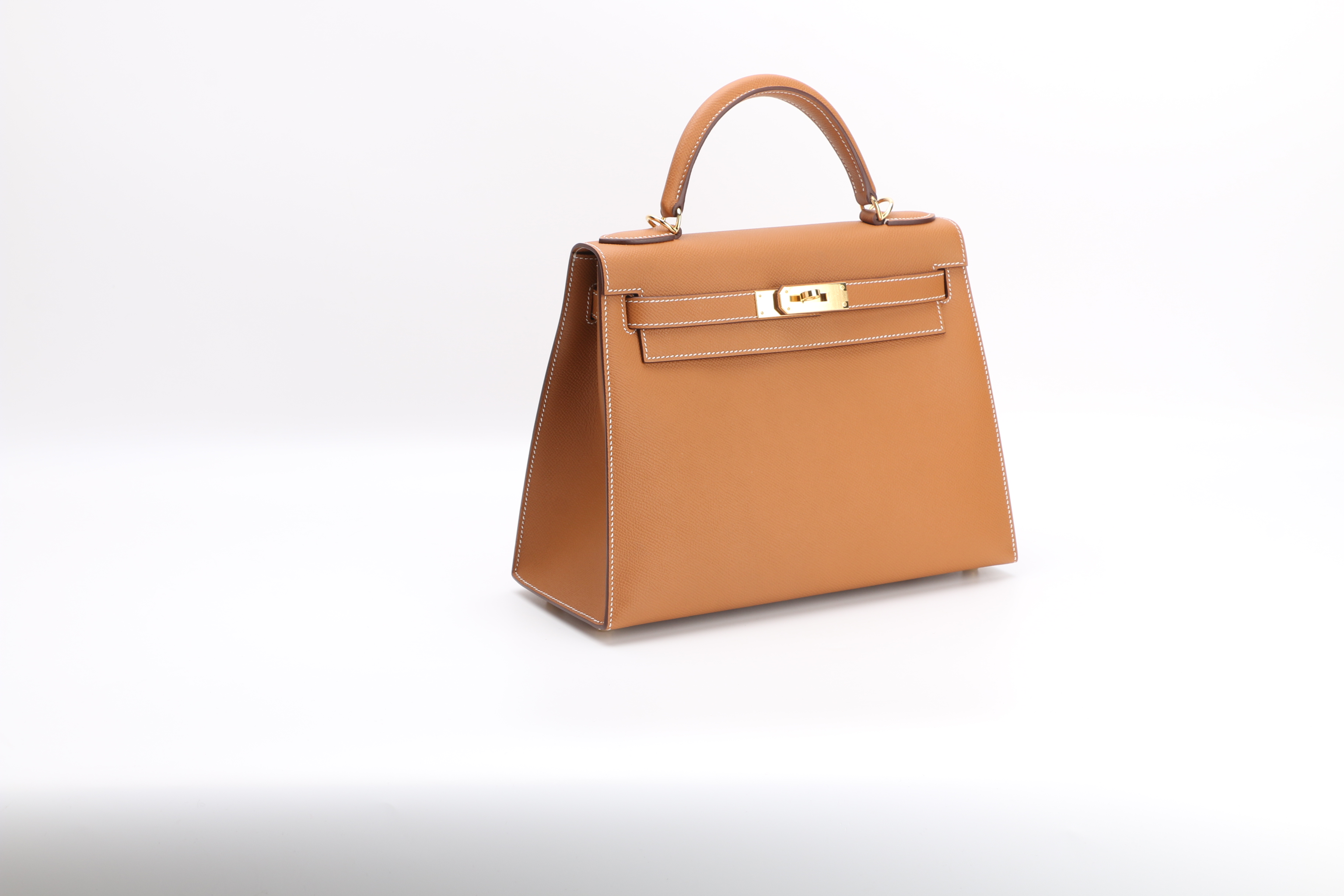
The side view is especially informative on a Sellier because it reveals depth, gusset geometry, panel angles and the transition from the upper opening to the base. Instead of measuring one fold, follow how the entire side is built.
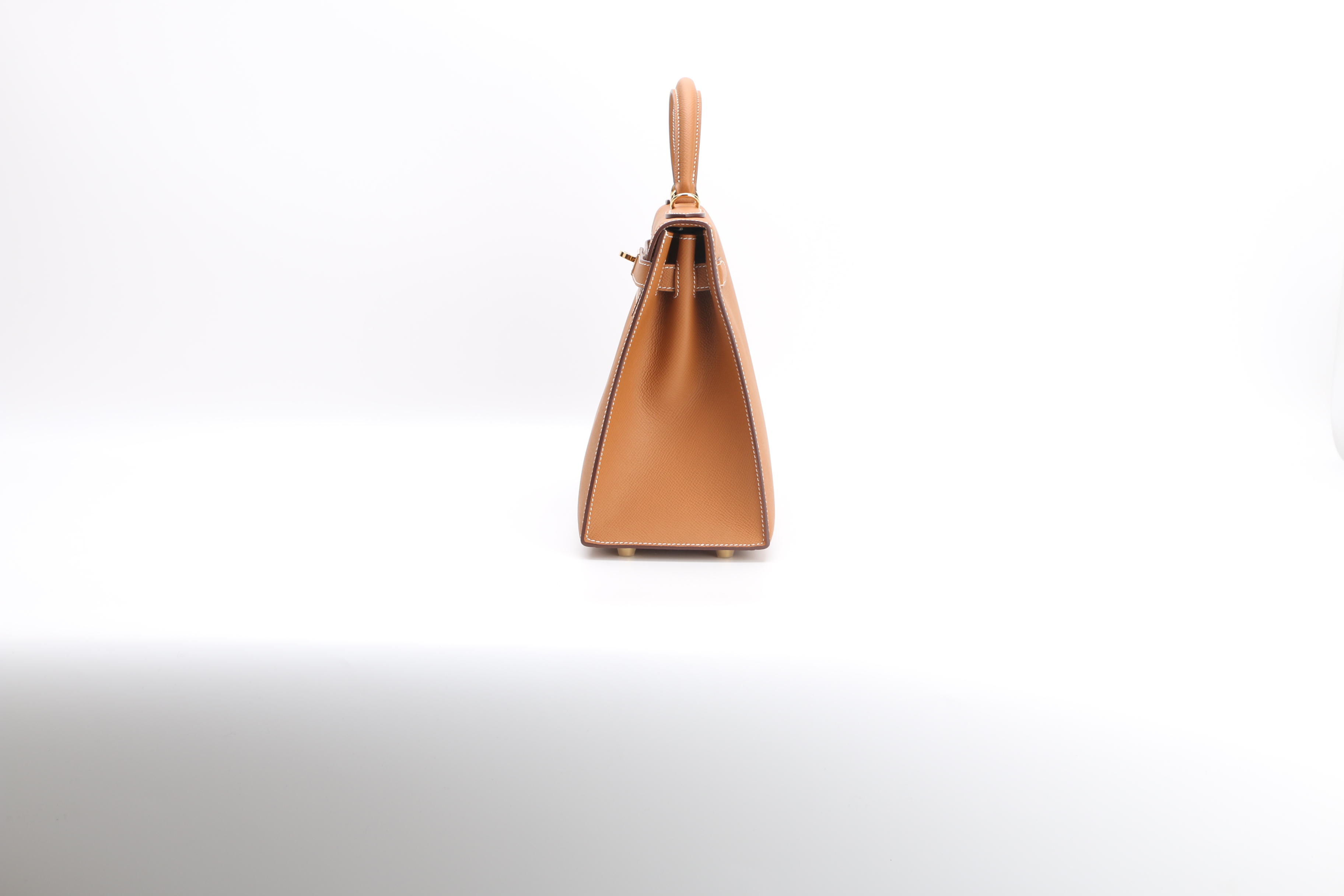
Start at the top. Notice how the opening, flap and side panel meet. Move downward through the gusset and ask whether the folds open in a plausible sequence. Then check whether the lower side resolves cleanly into the base. Exterior seams should reinforce the architecture rather than make the side look pinched or unstable.
Fill level changes this view. An empty bag may pull inward at the gussets; a packed bag may look broader and straighter. A strap tucked inside can press against one panel. Even the flap position can alter the apparent side angle. Before comparing two examples, arrange both in a similar state and let the leather settle.
One side photograph cannot establish authenticity. It can, however, reveal whether the depth and panel relationships deserve a closer look. When something seems unusual, request the opposite side under the same conditions. A consistent pattern across both sides is more informative than one dramatic angle.
Judge the handle in relation to the bag
Handle discussions often collapse into a single height measurement. Height can be recorded, but the handle is better understood as an arc connected to two roots and framed by the top of the bag.
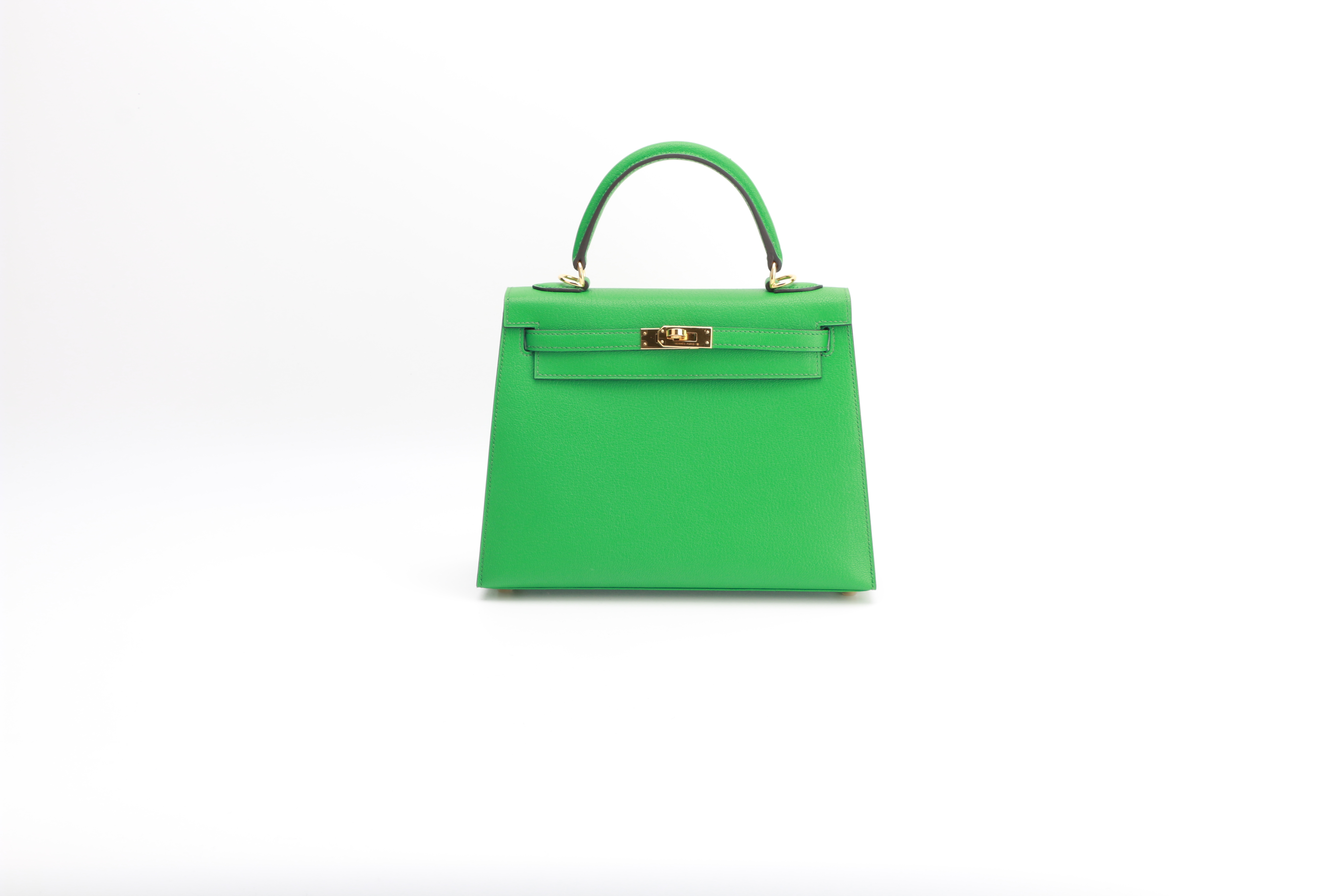
Review the handle from straight on and from a slight top angle. Look at the curve, the spacing and orientation of the roots, and the way the handle centers over the closure. Ask whether the visual mass of the handle suits the body below it. A measurement taken from an unclear starting point—top edge, flap edge or root seam—can create a disagreement even when two people are looking at the same object.
The handle may also lean because of storage, gravity or the way it was positioned for a photograph. That is different from a structural alignment issue. Let it rest naturally, remove anything pulling on it and take more than one view before drawing a conclusion.
If a numerical comparison is still helpful, define the landmarks first and repeat the photograph with the camera level. Record the method along with the number. A measurement without a method is difficult to reproduce and easy to overstate.
Use the base and corners as a stability check
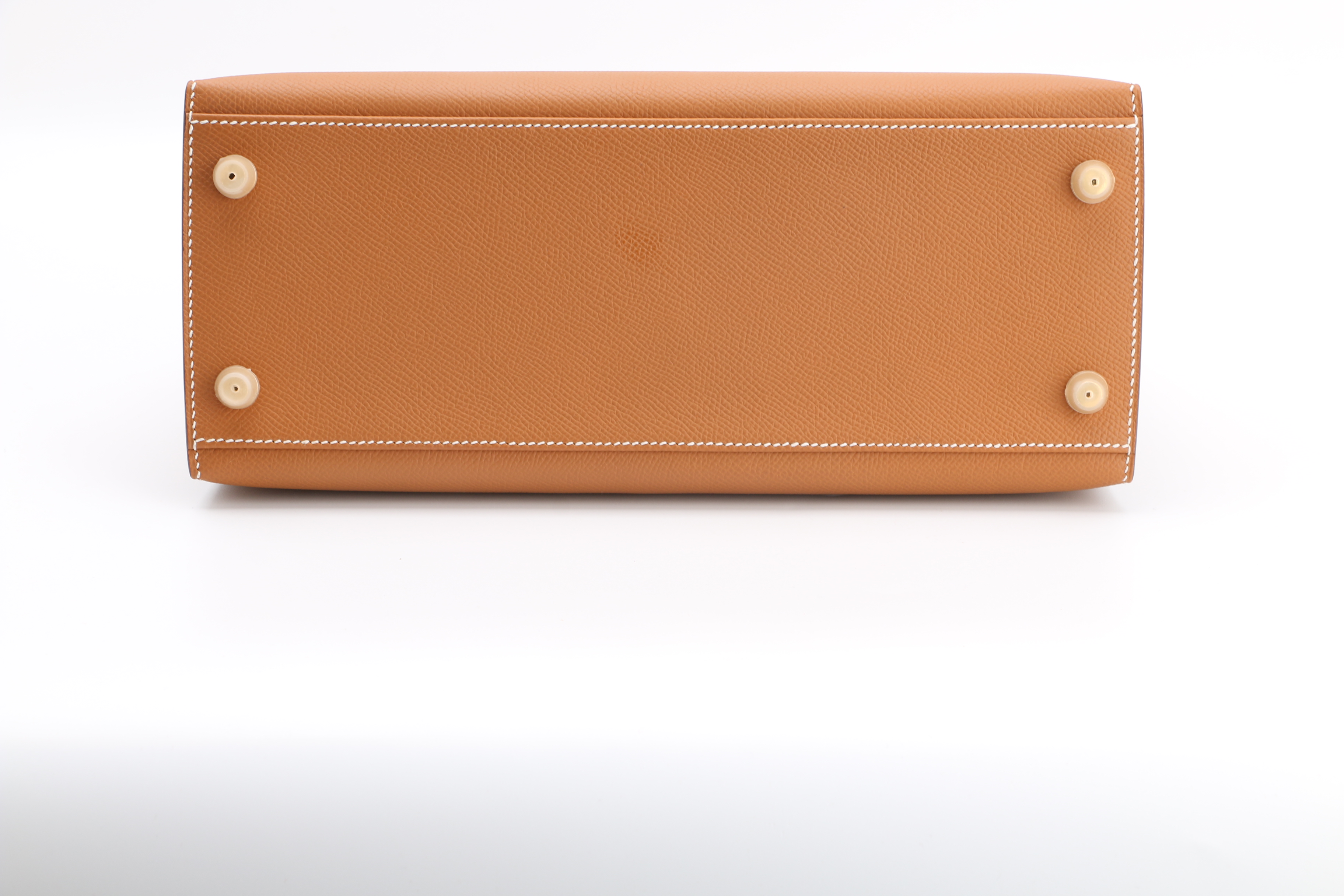
The base anchors the Sellier silhouette. It influences how the bag stands, how the side panels rise and how the front taper reads. A useful base review therefore combines an underside view with a normal standing view.
From below, check the outline, the four corners and the placement of the feet without assuming that a wide-angle image preserves exact geometry. From the front, place the bag on a flat surface and see whether it settles evenly. A corner can look shorter if the surface is soft, if a foot sits in a gap, or if the bag is rotated slightly away from the camera.
Base width is one place where a measurement can add value. Measure only after the bag is squared to the surface and avoid compressing the sides. Treat the result as one data point alongside corner shape, edge continuity and standing balance. The goal is not to excuse a major inconsistency; it is to distinguish a repeatable structural concern from a photographic illusion.
Wear also belongs in the interpretation. Corners and exterior edges receive contact during use, so a pre-owned bag may not present like an untouched reference. Condition should be recorded separately from construction rather than being mistaken automatically for evidence of origin.
Control the viewing conditions
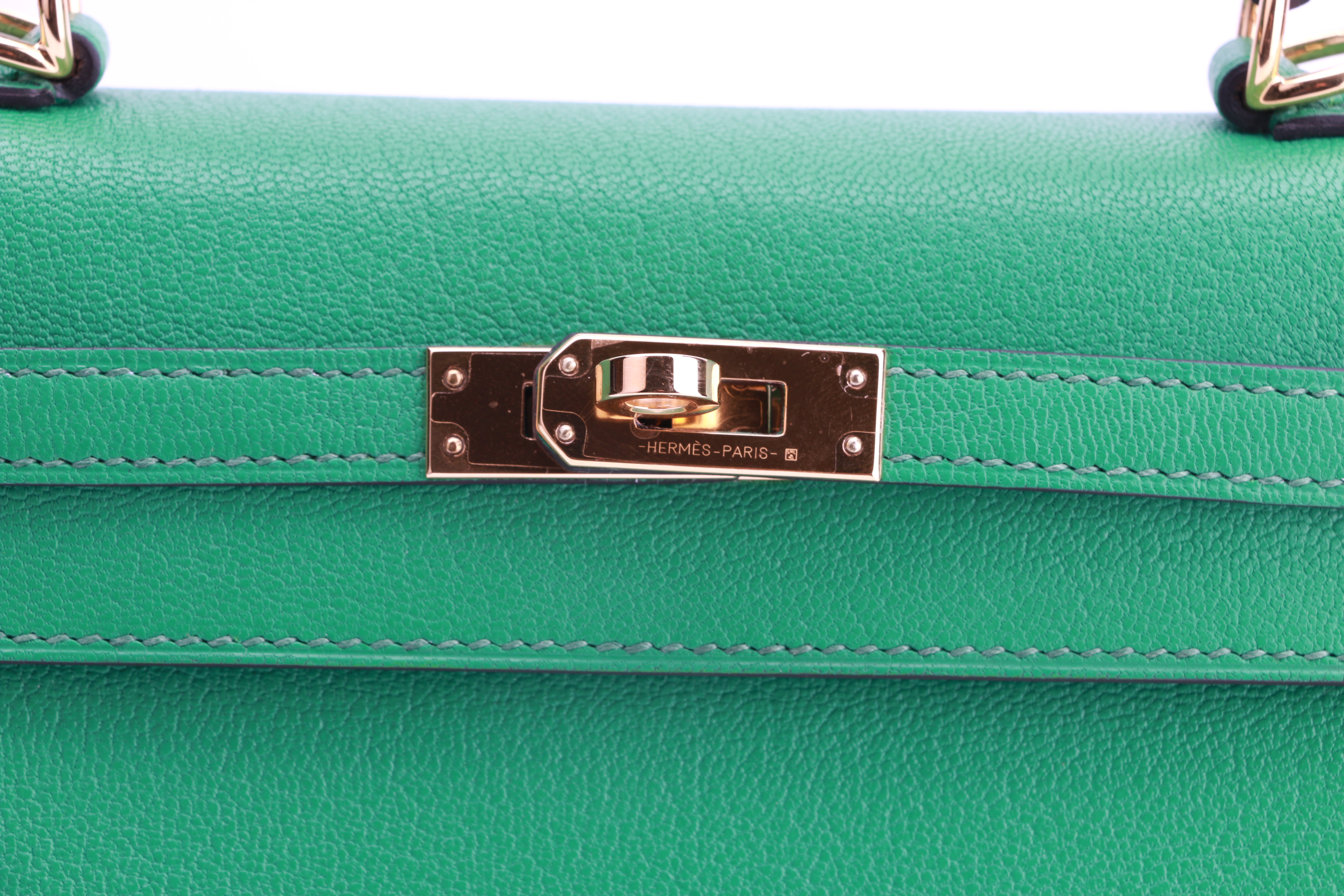
Before comparing proportions, simplify the scene. Remove or consistently arrange the shoulder strap, clochette, lock and protective packaging. Keep the bag at a similar fill level and use diffuse light. Accessories can create visual lines that make one side seem heavier or redirect attention away from the silhouette.
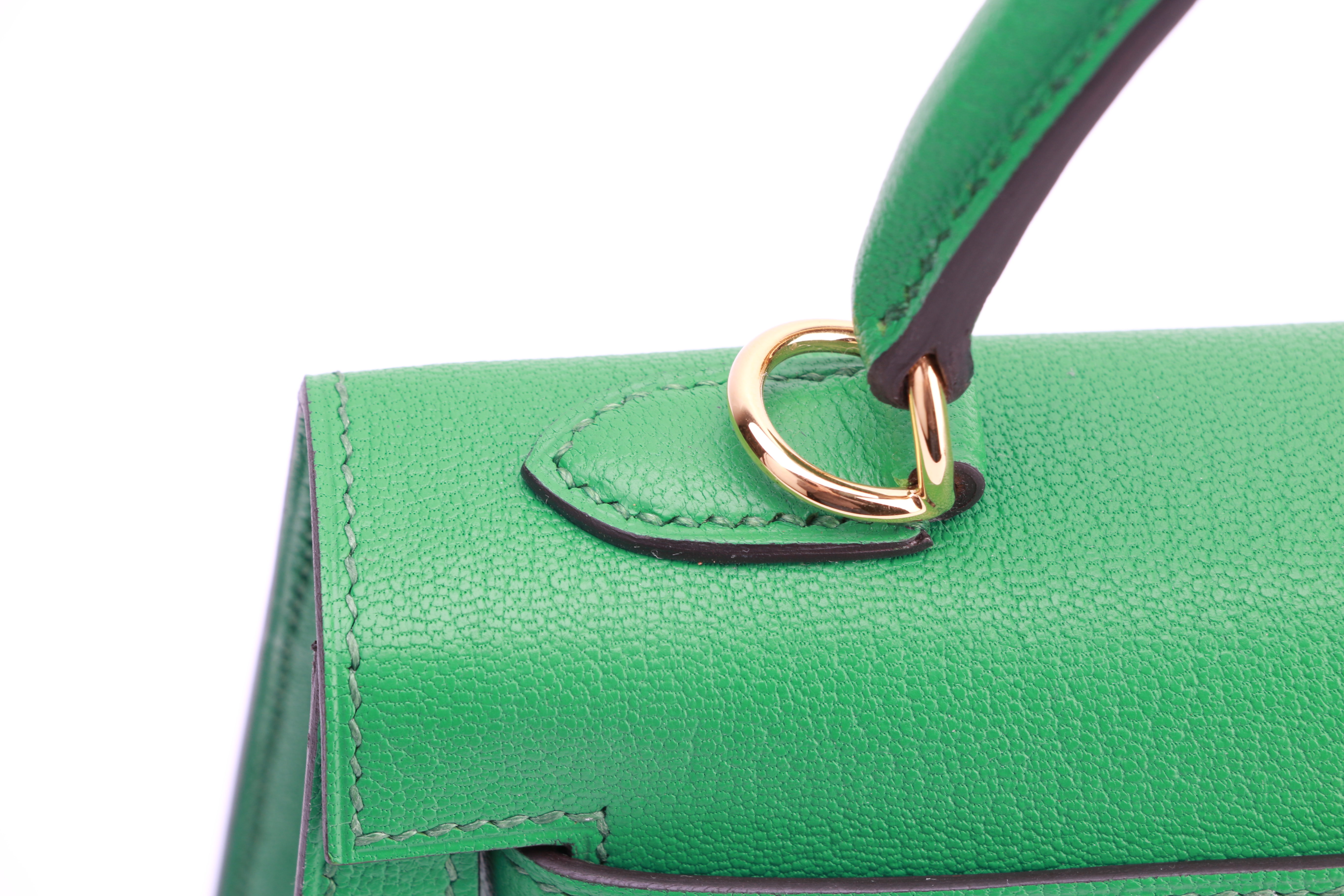
Camera distance matters as much as camera angle. Stand farther back and use a moderate focal length or a modest phone zoom rather than placing a wide lens very close to the bag. Keep the sensor parallel to the surface being reviewed. Include enough surrounding space to confirm that the image has not cropped or stretched a corner.
A practical comparison set includes:
- A level straight-on view with the flap closed naturally.
- A three-quarter view showing front and side together.
- Both side profiles under the same fill conditions.
- A top view that includes the full handle and flap.
- An underside view of the base and corners.
- One normal-distance view with the usual accessories arranged as they would be in use.
This small, consistent set is usually more useful than many close-ups taken under unrelated conditions. It allows the reviewer to move between overall impression and supporting detail without losing context.
A constructive review sequence
For a calm, repeatable Kelly Sellier review, use the following order:
1. Identify the construction being reviewed
Confirm that the comparison is actually Sellier rather than Retourne. Visible exterior stitching and defined edges are relevant cues, but use the complete set of available information. Do not force an uncertain image into a conclusion.
2. Normalize the presentation
Set the bag on a level surface, arrange the flap and accessories, use similar fill, and take level photographs from a sensible distance.
3. Read the whole bag
Assess silhouette, top line, taper, closure center, handle balance and standing posture. Write down the visual concern in plain language before reaching for a ruler.
4. Follow the construction
Check how the front, side panels, gussets, exterior seams and base connect. Look for a coherent transition rather than demanding that every local line match a single photograph.
5. Measure a defined question
If one relationship remains unusual, define the landmarks and measure it consistently. Repeat the measurement and record the bag's position. Compare only with an appropriate reference of the same stated size and similar viewing conditions.
6. Keep the conclusion proportional to the evidence
Describe what the images and measurements actually show. “The handle appears taller in both level views” is more responsible than “this proves the bag is fake.” A visual review can identify points for further examination; it does not promise authentication.
What a balanced conclusion sounds like
A useful review is specific without becoming absolute. It may say that the silhouette is coherent overall, that the side depth deserves another level photograph, or that a handle measurement should be repeated from defined landmarks. It can recognize strong construction while still noting a localized question.
This approach is positive because it gives the reviewer a method, not because it ignores discrepancies. Millimeter data remains available when it answers a real question. It simply takes its proper place beside shape, structure, presentation and the way all components work together.
When provenance or value depends on the outcome, consult a qualified authentication professional who can evaluate the complete bag and supporting documentation. For editorial and quality review, begin with the whole Kelly Sellier. The most informative details are the ones that still make sense when you step back.
Explore Kelly Sellier examples across different sizes and leathers to see how proportion changes while the core structure remains recognizable.